In Daniel 5 King Belshazzar, king of Babylon, throws a mega party. This is the chapter of the hand writing on the wall and it spells doom for Belshazzar, so why is Belshazzar partying the night away? We saw last week that in Daniel 5:1 our text reads: “King Belshazzar made a great feast for a thousand of his lords and drank wine in front of the thousand.” This might put Beverly Hills and New York City parties to shame!
But why did King Belshazzar do this?
First, it could have been a show of power the day before a big battle, just like the banquet King Xerxes hosted in the days of Esther before he left to try to conquer the Greeks. Knowing the Persians were ready to attack Belshazzar was perhaps boasting about his power and strength to his nobles. He may have felt invincible or maybe he was trying to bolster the confidence of his generals. There seems to be no mention of this in the text, however.
A second possibility is that realizing that the Persians were right at the door, in a fatalistic way, he knew there was nothing he could really do about it and was basically saying, “Eat, drink, for tomorrow we die.” The Babylonian Chronicle indicates that only a few days earlier, Cyrus the Persian had defeated Nabonidus and the Babylonian army near Sippar, only fifty miles north of Babylon. Thus, Belshazzar could have been struck with fear and been resigned to defeat.
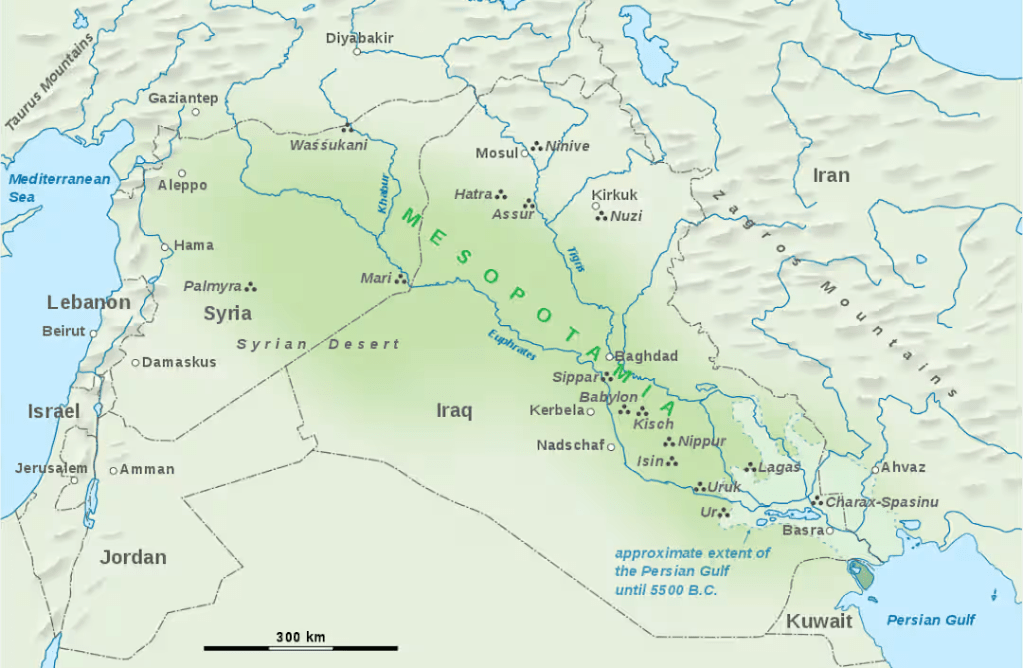
A third scenario seems most plausible. King Belshazzar, although he likely had information about the surrounding Persian forces and their recent victories, remained blissfully ignorant and completely oblivious to the fact that Babylon the Great was about to be invaded. He didn’t let himself believe that this danger was imminent. “He was a riotous, arrogant young man who loved his wine and loved to throw banquets. Banquets like this were celebrated on a regular basis. It just so happened this occurred on the night that Babylon would fall” (Daniel 5:30)
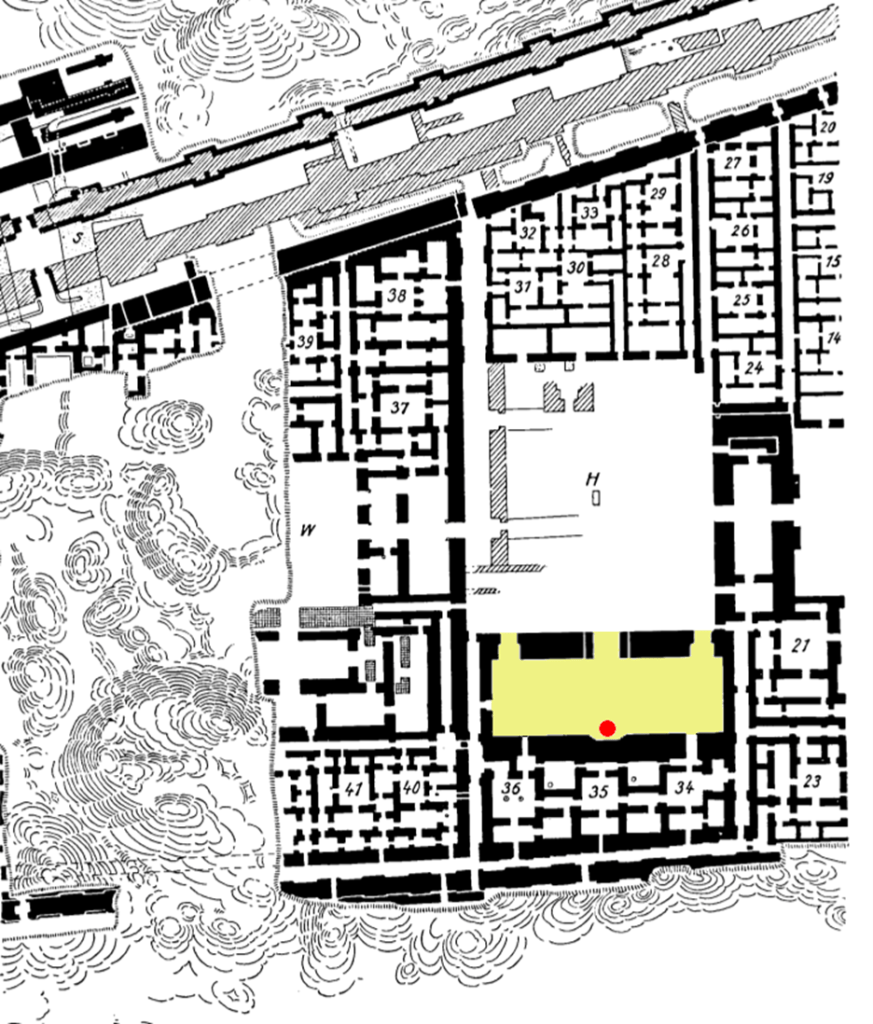
This scenario seems most plausible because history records that the Persian army conquered Babylon with a sneak attack. The city of Babylon was considered invincible. The city of Babylon had not fallen to an invading army for 1,000 years because of its strong fortifications. There were double walls all around the city, and the walls were too thick to destroy by ancient methods. There were 100 gates of bronze. There was also a wide moat full of water that surrounds the wall and forms its outer boundary. The Euphrates river ran through the middle of the city, but its waters were large, deep, and swift.
“Belshazzar felt secure, for the drawbridges had been drawn up, the brazen gates barred, and Belshazzar knew that the walls of the city were impregnable; and he was confident that his soldiers from their position on the lofty walls would be able to destroy any who should attempt to batter down the gates. The city also was provisioned for several years’ siege, and with the tillable ground within the city walls its capture could be postponed indefinitely” (Clarence Larkin, Book of Daniel).
“While people are saying, ‘There is peace and security,’ then sudden destruction will come upon them as labor pains come upon a pregnant woman, and they will not escape.” (1 Thess. 5:3)
But the Lord had determined that Babylon’s time had come: “The Lord brings the counsel of the nations to nothing; he frustrates the plans of the peoples. The counsel of the Lord stands forever, the plans of his heart to all generations” (Psalm 33:10-11). The will of God would be done, no matter what.
“Belshazzar had been indifferent to the information God had given his grandfather Nebuchadnezzar in his famous dream (Dan. 2). It was decreed that the head of gold (Babylon) would be replaced by the breast and arms of silver (the Medo-Persian Empire). Daniel had seen this truth further verified in his vision recorded in Daniel 7, when he saw the Babylonian lion defeated by the Medo-Persian bear (Dan 7:1-5). This was in the first year of Belshazzar (Dan. 7:1). In his arrogant false confidence, Belshazzar was defying the will of God. “He says to himself, ‘Nothing will shake me; I’ll always be happy and never have trouble’” (Psalm 10:6)” (Warren Wiersbe, Wiersbe Bible Commentary: Old Testament, p. 1361).
Belshazzar’s name means “Bel has protected the king,” which may have given him an added sense of invincibility. Herodotus and Xenophon both mention that a festival was underway in Babylon when the city fell and Joyce Baldwin comments, “With the armies of a conqueror pressing at the capital this deputy ruler took refuge in an orgy of wine” (Joyce Baldwin, Daniel: An Introduction and Commentary, p. 119).
But the Euphrates River ran right through the middle of the city, and the plan was for some men from the Persian army to go upstream and dam the river. In a few hours the water stopped flowing, and the Persian army walked into the city under the walls using the muddy riverbeds. There was no resistance by the Babylonian army, and Babylon fell that very night as a result of the judgment of God. Why didn’t King Belshazzar see the handwriting on the wall? Oh, but he did. (Daniel 5:5-7)
Daniel was not present at these festivities (cf. v. 13), either because he had not been invited or because his former prominence had discontinued under Belshazzar’s rule (cf. v. 10-12, where the queen informed the king about Daniel, as if he was unknown to him). Possibly Daniel had retired from public service.

 Grace Still Amazes